 Bike Stories
Chain lube: wet, dry, wax, and which one your conditions actually want
There is no universal chain lube. The decision is made by two things — whether the chain meets water, and whether it meets grit — and the wax crowd is right about most of it, wrong about most of the rest.
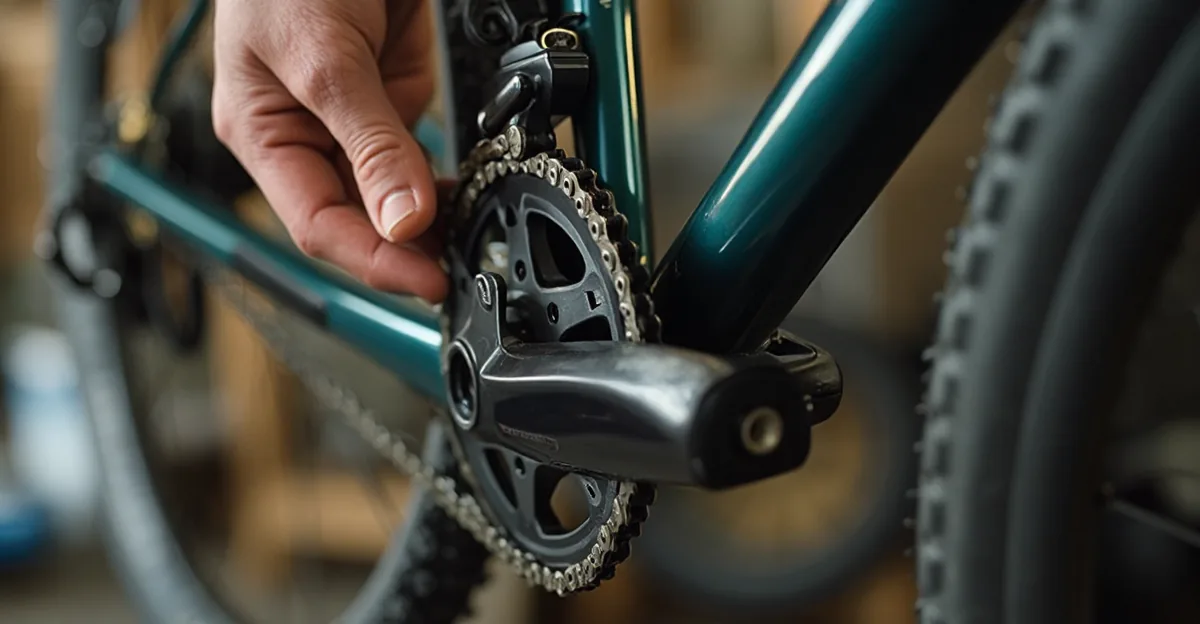
You are standing over the bike with a drip bottle in one hand and a question in the other: is this the right lube for what this bike actually does? The answer is in two things you can see, and not in the bottle. The first thing is whether the chain is meeting water. The second is whether it is meeting grit. Get those two right and the lube is the easy part; get them wrong and you are re-lubing a chain that is already wearing through, and no lube fixes that.
The lube is not a schedule, the ratchet is
The most common advice on the internet is a number: every 200 km, every 300 km, once a month. None of those numbers is right for your bike, because the lube does not wear on a distance schedule the way a tyre does. The lube wears on a conditions schedule, and the conditions are different every week. A wet lube on a dry-road commuter that does 40 km a week in the rain is at the end of its useful life in two weeks. The same wet lube on a dry gravel bike that does the same 40 km a week in October sun is fine for a month. The number you should be watching is not the odometer, it is the ratchet.
The ratchet is the sound a chain makes when the lube is gone. Spin the wheel with the bike in the stand, or with the rear wheel off the ground, and listen as the chain runs over the cassette. A well-lubed chain runs quiet. A chain that is running dry makes a tick, a click, or a low grind as each link hits the next cog on the cassette. That sound is the bearing pins in the chain running without oil, and the pins are wearing every time you hear it. The ratchet is the one signal that tells you the lube is gone, and it is the one that should replace every distance-based schedule you have been trying to keep.
The two conditions that decide the lube
Condition one: does the chain meet water?
If the answer is yes, every week, a wet lube is the right call. A wet lube is an oil or a paste that is designed to stay on the chain when it gets wet, and that is exactly the property that makes it the right choice for a daily ride in the rain, for a bike that gets hosed down after a ride, and for any bike that is going to be stored in a garage after a wet ride. What the wet lube does not do is stop collecting grit. A wet lube on a rainy commuter is the right choice for the water, and the wrong choice for the grit, because the oil film is what the grit sticks to, and the grit is what grinds the pins. The fix is not a different lube, it is a proper clean every 100-200 km (60-120 miles) so the grit is off the chain before it can work its way into the lube film.
If the answer is no, a dry lube is the right call, and for most riders the answer is no more often than they think. A dry lube is a thinner fluid that leaves a lighter film on the pins and dries to a slick finish. It is the right choice for dry, dusty, or high-mileage riding where the chain is not meeting water, and it is the right choice for a bike that is going to be stored dry, because the film is not a liquid that will wash off and leave the pins bare.
Condition two: is the chain meeting grit?
Grit is the thing that kills a chain, not the lack of lube. A chain that is properly lubed but is riding through sand, grit, or road salt will wear faster than a chain that is under-lubed but is riding clean, because the grit is what is grinding the pins, and the lube is what the grit is sitting on. This is the part of the question most people skip, and it is the part that decides whether a lube job is worth doing.
The grit question is also the one that decides the clean, not the lube. A chain that is meeting grit every ride needs a proper clean every 100-200 km, whether it is running on a wet lube or a dry lube. A chain that is riding clean needs a clean every 500-1000 km (300-600 miles), because the lube is doing its job and the only thing on the chain is the lube itself. The clean is the step that most people skip, and it is the step that makes the next lube job actually work.
Wet lube, dry lube, hot wax — what each one is for
| Lube | Right conditions | Wrong conditions | Typical life before re-lube |
|---|---|---|---|
| Wet lube | Daily rain, hosed-down rides, wet storage | Dry dusty riding, high-mileage clean riding | 100-200 km (60-120 mi) in the wet, 500-1000 km (300-600 mi) dry |
| Dry lube | Dry dusty riding, clean high-mileage, dry storage | Daily rain, any chain that meets water | 200-400 km (120-250 mi) dry, 50-100 km (30-60 mi) wet |
| Hot wax | Clean dry riding, light dust, long intervals | Daily rain, wet storage, any bike that meets water regularly | 200-500 km (120-300 mi) between re-dips |
The table is a starting point, not a rule. The numbers in the right-hand column are the life of the lube under the conditions in the left-hand column, and the variables that move them are the same ones that move every other number in this post: how much water, how much grit, how heavy the rider is, and whether the bike is an e-bike. An e-bike chain runs under more torque than a human-powered chain, and the lube wears faster under that torque, so the life of the lube on an e-bike is at the short end of every range in the table.
Why the chain is the part that decides, not the lube
A lube that is gone does not stop the chain from riding. It stops the pins from being protected, and the pins wear, and the chain stretches. A stretched chain no longer sits on the cassette teeth the way it should, and the cassette teeth wear, and the chainring wears. The lube is the thing that keeps the pins from wearing, and the pins are the thing that is wearing the drivetrain.
A chain that is worn past 0.5% elongation is a chain that is going to start wearing the cassette, and no lube fixes a stretched chain. The 0.5% number is the spec for an 11-speed or 12-speed drivetrain, and 0.75% is the spec for an 8-, 9-, or 10-speed drivetrain. A chain checker is a few euros, and the five-second test is the one that tells you whether the next job is a lube job or a chain job. If the checker is telling you the chain is at 0.5% or more, the lube question is the wrong question, and the answer is a new chain, and probably a new cassette if the chain has been riding at that elongation for a while.
The lube is the part that is cheap and easy to fix, and the chain is the part that is expensive and hard to fix, and the ratchet is the signal that tells you which one you are fixing. A ratchet that comes back after a fresh lube job is a chain that is worn, not under-lubed, and the next job is a chain job, not a lube job. And if the ratchet is back but the chain checker says the chain is fine, the wear has moved somewhere else in the drivetrain, and the hub and bearing post covers the next bearing in line that is wearing what the chain was meant to carry.
The five-minute clean-and-lube routine
The routine is the same every time, and it is the one that replaces every schedule you have been trying to keep. The ratchet is the signal that tells you when to do it, and the routine is what you do when it fires.
- Shift to the smallest cog and get the rear wheel off the ground, or put the bike in a stand. The chain needs to be running slow enough to wipe each link, and the derailleur cage keeps it where it is.
- Wipe the old lube off, one link at a time. Hold a rag or an old t-shirt against a link and push the bars backwards until the next link is at the same spot. Wipe the top, the bottom, and both sides of each link, working all the way around the drivetrain. This is the step that most people skip, and it is the step that makes the next lube job work.
- Rinse if the chain has been riding through salt or heavy grit. A short rinse with a mild degreaser and a quick water rinse gets the grit out of the link gaps that the rag cannot reach. Let the chain air dry or wipe it down completely before the new lube goes on. Water under the new lube is what gets the water in the pins the next time the chain gets wet.
- Apply the fresh lube, one link at a time. Drip lube goes on the point where the link joins the next link, which is where the bearing pin sits. Wax goes on the same joint. One drop per joint is enough; more lube is not more protection, it is more surface to collect grit.
- Wipe the excess off after a minute so the outside of the chain is dry and the lube inside the pins is what is doing the work. Give the chain a few more spins, and the ratchet test is the one that tells you the lube is in: quiet is good, a tick is the chain, not the lube.
The routine is five minutes with a ratchet and a rag, and it is the one that keeps the chain quiet between the longer jobs. The longer jobs — a full degreaser bath, a hot wax, a new chain — are the ones that come around on the ratchet and the chain checker, and the date you last did the five-minute routine is the one that is worth writing down. A maintenance log keeps that number next to the rest of the bike's history, and a note on when the chain was last cleaned and when the lube was last changed means the next clean is a decision, not a guess. A sticker on the seat tube works just as well, and costs nothing. Bike Stories keeps the number with a per-bike parts list and local reminders, but the notebook version works too — the point is that the date lives somewhere other than memory.
Common questions
How often should I re-lube my bike chain?
It depends on the lube and the conditions, and there is no universal number. A wet lube on a dry-road commuter can last 500-1000 km (300-600 miles) before the lube is gone; the same wet lube in daily rain is at the end of its useful life within 100-200 km. A dry lube lasts shorter in the wet but is cleaner and does not collect grit. A hot-waxed chain, if the waxing was done properly, runs quiet for 200-500 km (120-300 miles) between re-dips, and the chain itself lasts longer than on a lube that collects grit, because the wax is not a liquid film that road dust sticks to. The real signal is the ratchet: spin the wheel and if the chain is quiet the lube is still doing its job, and if a tick or grind comes back as the chain runs over the cassette, that is the point at which the lube has lost and the chain should be cleaned and re-lubed, or replaced if it is the chain that is wearing.
Is hot wax really better than lube, or is it just hype?
It is better in a narrow set of conditions and a lot of work in others. Hot wax is genuinely better for clean, dry, or lightly dusty riding, because the wax is a solid sitting inside the pins rather than a liquid film that washes away and collects grit. A properly waxed chain runs quiet, and the chain itself lasts longer because the pins are not being ground by grit the way they are on a lube that collects road film. What the wax crowd is wrong about is the rest: wax is the worst answer for a daily rainy commute, because the wax is not bonded to the pin and water washes it out of the chain in a few rides, and it is the worst answer for a bike that is going to be stored wet, because the wax will not protect the pins from moisture the way a sealed wet lube will. Hot wax is also the most labour-intensive option. The job involves removing the chain, cleaning it in a degreaser bath, drying it, heating a wax block in a dedicated wax pot or a slow cooker, dipping the chain, and letting it cool. That is a half day, not a ten-minute job, and the re-dip interval is roughly 200-500 km (120-300 miles) in clean dry conditions, so it is a recurring job, not a one-time fix. If you are doing it because the chain runs quiet for months between dips and the cassette stays clean, it is worth it. If you are doing it because a forum thread told you to, you will have spent the afternoon and still have a wax job coming up every couple of hundred kilometres.
What is the difference between wet and dry lube, and which one do I need?
The difference is what happens to the lube when it gets wet. A wet lube is an oil or a paste that is designed to stay on the chain through water, and that is exactly the property that makes it collect grit and mud. It is the right choice for daily riding in the rain and for any bike that is going to meet water regularly. A dry lube is a thinner fluid that leaves a lighter film, and it dries to a slick finish that is easier to wipe clean and less likely to pick up grit. It is the right choice for dry, dusty, or high-mileage riding where the chain is not meeting water. The failure mode is the same in both: once the lube is gone, the chain is running dry, and the pins are wearing. If your riding is mostly dry, a dry lube with a proper clean every 300-500 km is usually the right call. If your riding meets water, a wet lube with a proper clean every 100-200 km is the right call, and the extra clean is not optional, it is what keeps the grit from grinding the lube out of the chain.
Do I need to clean the chain before I re-lube it, or can I just add more lube?
Clean it first. Adding fresh lube on top of old, grit-loaded lube is the single most common mistake in chain maintenance, and it is the one that makes the chain feel like it is getting worse the more you maintain it. The old lube has a layer of grit and dust sitting on top of the pins, and the new lube mixes with that layer and the result is a grit-loaded film that grinds the pins faster than the old lube was on its own. The clean is a five-minute job with a ratchet and a rag, and it is the step that makes the next lube job actually work. If you are going to lube the chain, wipe the old lube off first, and if the chain has been riding through salt or heavy grit, give it a rinse with a mild degreaser and a quick water rinse before the new lube goes on. The lube that is in the pins is what is protecting the chain, and the lube that is on the outside of the chain is what is collecting grit.
Drafted with AI, then reviewed and edited by Robert Jensen before publishing.
Stop guessing when you last did that
Bike Stories keeps the service history, the parts, the mileage and the real cost of every bike you own — on your iPhone, with no account. Free for two bikes; Pro is a one-time $9.99 unlock.

Keep reading
Bike wheel rattling: hub and bearing wear, checked in ten minutes
A wheel that wobbles or spins down fast has bearings, not a rim, at fault. Two checks take ten minutes, and the answer decides whether you need grease, a service, or a new hub.
Why that tyre is so hard to mount — and how to seat it properly
The last third of the bead is the hard part. The fix is in the two numbers on the tyre and the rim, the order you work in, and the one rim check that comes before any tools.